


When Good Asset Performance Isn’t Good Enough
How do you know if your asset management performance is good enough?
Good asset performance is not necessarily the end goal. Organisations need to understand where they are today, identify opportunities for improvement and continue developing their asset management practices as business needs and expectations change.
This is where asset management maturity and continuous improvement become important.
“Good is not good when better is expected.”
What does good asset management performance look like?
There is no single measure that defines good asset management performance.
Performance can be influenced by a range of factors, including maintenance processes, asset risk, people capability, planning, operational requirements and business objectives.
An organisation may have strong maintenance KPIs and still have opportunities to improve its overall asset management maturity.
The question is not simply:
“Are we performing well?”
It is:
“Could we perform better, and do we understand what is holding us back?”
Why continuous improvement matters in asset management
Asset management is not a one-time exercise.
Organisations operate in changing environments. Business priorities change, assets age, technology develops and expectations around cost, reliability, safety and performance evolve.
A maintenance strategy that worked well several years ago may not deliver the same results today.
Continuous improvement provides a structured way to review current performance, identify gaps and determine where improvement efforts should be focused.
This doesn’t necessarily mean doing more maintenance.
It means making better-informed decisions about assets and their performance.
How do you identify opportunities for improvement?
The first step is understanding your current position.
Organisations can look at areas such as:
- Asset performance
- Maintenance effectiveness
- Asset risk
- Work management
- People and capability
- Materials and suppliers
- Performance measurement
- Alignment with business objectives
Looking at these areas together can provide a broader view of asset management maturity, rather than focusing on one maintenance KPI in isolation.
PREMA provides a structured approach to visualising asset management maturity across 16 asset focus areas and supports benchmarking across teams and sites.
Better performance doesn’t always mean doing more
One common assumption in maintenance is that improvement means adding more.
More preventive maintenance.
More inspections.
More technology.
More KPIs.
But improvement isn’t necessarily about increasing activity.
Sometimes the opportunity is to remove unnecessary work, change a process, improve planning, develop capability or focus resources on the assets and risks that matter most.
The objective is better asset performance, not simply more maintenance activity.
From performance measurement to improvement
Measuring performance is useful, but measurement alone does not create improvement.
The next step is understanding what the results are telling you.
For example:
- What is performing well?
- Where are the gaps?
- What is causing those gaps?
- Which improvements could have the greatest impact?
- How will we know if performance has improved?
This creates a cycle of measurement, understanding, action and continuous improvement.
How PREMA supports continuous improvement
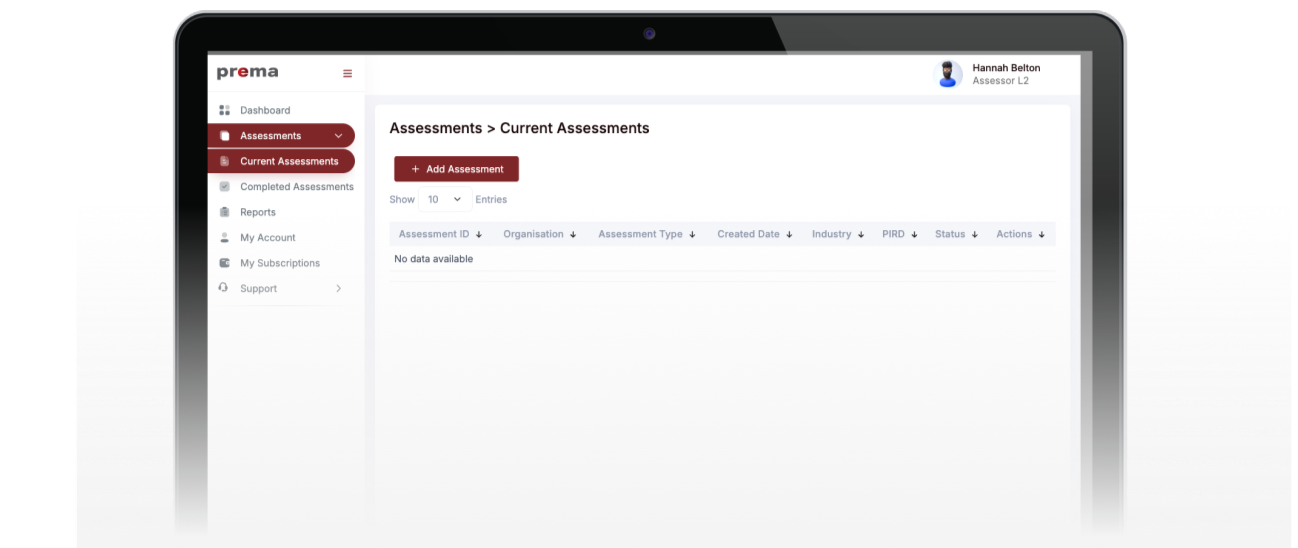
PREMA is a cloud-based asset management maturity platform designed to help organisations understand their current level of maturity and identify opportunities for improvement.
It provides a structured assessment approach, visualises maturity across 16 asset focus areas and supports benchmarking across teams and sites. It can then be used as a basis for developing improvement actions and supporting longer-term asset management development.
The aim isn’t simply to achieve a particular score.
It’s to understand where you are, where you want to be and what needs to change to get there.
The question worth asking
Good performance is worth recognising.
But it shouldn’t stop the conversation.
The organisations that continue to improve are willing to question their current performance and ask what could be better.
Are you maintaining good asset performance, or actively working towards better performance?
That question can be the starting point for continuous improvement.
Want to understand your organisation’s asset management maturity?
Find out how PREMA can help you assess your current position, identify improvement opportunities and build a roadmap for continuous improvement.
FAQ
What is asset management maturity?
Asset management maturity describes how effectively an organisation’s processes, people, systems and practices support the management of assets and the achievement of business objectives.
Why is continuous improvement important in asset management?
Continuous improvement helps organisations identify gaps in asset management performance, prioritise improvement opportunities and adapt their approach as business requirements change.
How can organisations improve asset management performance?
Organisations can improve performance by assessing their current maturity, identifying gaps, understanding the causes of those gaps and developing targeted improvement actions.
What is a good asset management maturity assessment?
A useful assessment should provide a structured view of current performance, identify areas for improvement and give the organisation a basis for prioritising actions and tracking progress.
How does PREMA support asset management improvement?
PREMA provides a structured asset management maturity assessment across 16 focus areas, helping organisations visualise their current position, benchmark performance and identify opportunities for improvement.